edpclub
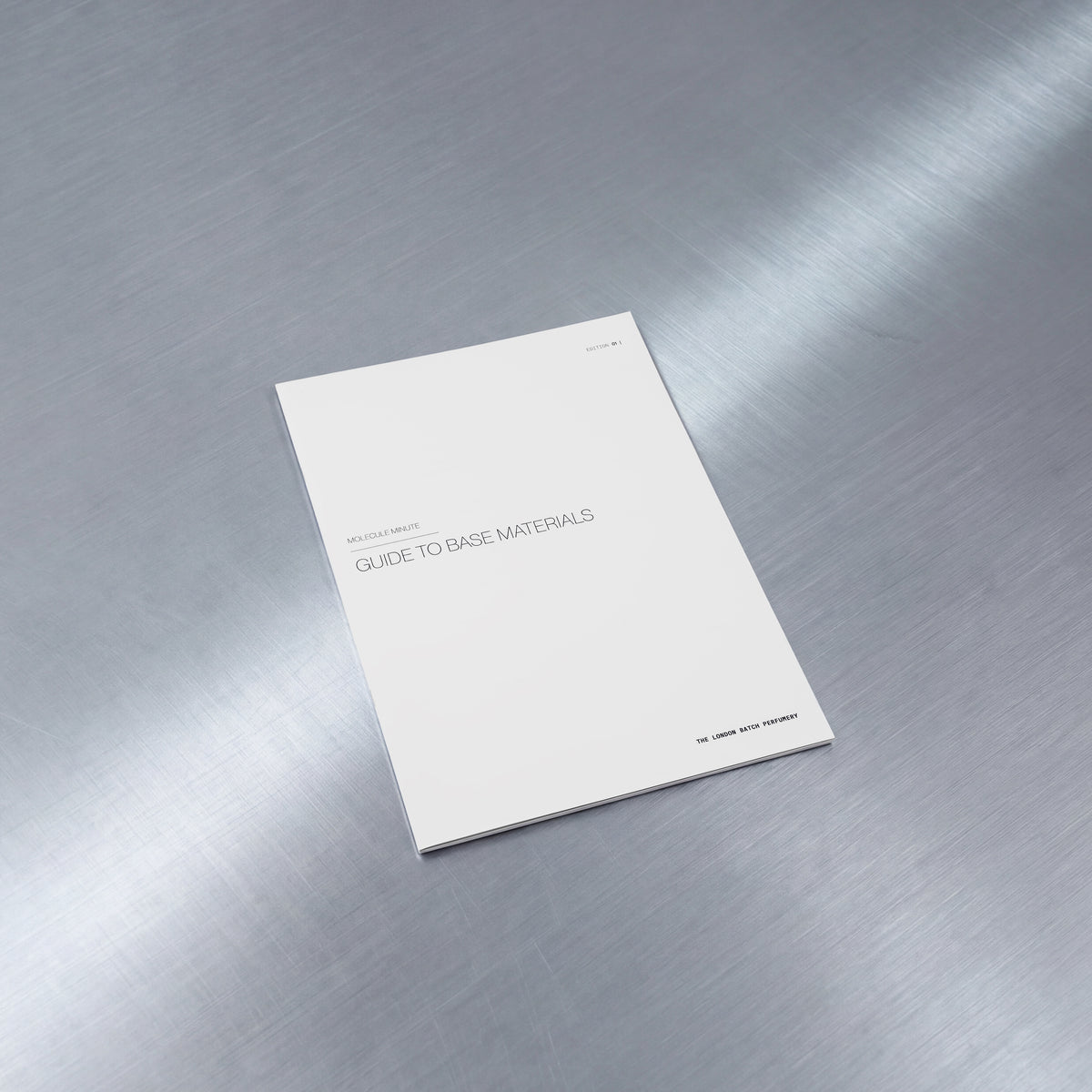
Molecule Minute: A Guide to Base Materials — Edition 01
TEN MATERIALS. ONE FORMULA. THE INFRASTRUCTURE OF SCENT
A printed 22 page A4 reference guide covering the ten foundational base materials in fine perfumery ambergris, orris root, labdanum, musk, frankincense, vetiver, benzoin, civet, sandalwood, patchouli.
Base notes are the materials most wearers never consciously identify but always perceive. This guide breaks down what each one is, what it smells like, what it does structurally in a formula, and the misconception most people get wrong about it.
Each entry includes function, historical context, key molecule with chemical structure, and a practical takeaway you can test against fragrances you already wear.
Not encyclopaedic. Working vocabulary precise enough to read what you're smelling.
FORMAT
A4, print-imposed, gloss finish. Part of the Perfume Lab editorial series. Hand-assembled in London.
Delivered in 3 to 5 Working Days
Couldn't load pickup availability

THE CHEMISTRY
Every Material, One Molecule
Each entry isolates the compound responsible for the material's character — patchoulol, α-santalol, civetone, muscone. Structure diagrams sit alongside plain-language explanations of why that molecule behaves the way it does on skin.
HOW TO READ IT
Function, Not Folklore
Text: Every material gets the same structure: what it does in a formula, where it comes from, the misconception attached to it, and a takeaway you can test against a fragrance you already own. No perfumery jargon left unexplained.
MOLECULE MINUTE / 002
Orris Root
From the aged root of the iris plant — never the flower. Fresh root has no perfume value; it takes two to five years of drying before it develops fragrance at all. Powdery, cool, and architectural rather than floral.